
Capture, store, and utilize rainwater effectively to conserve resources and support sustainable water management practices.
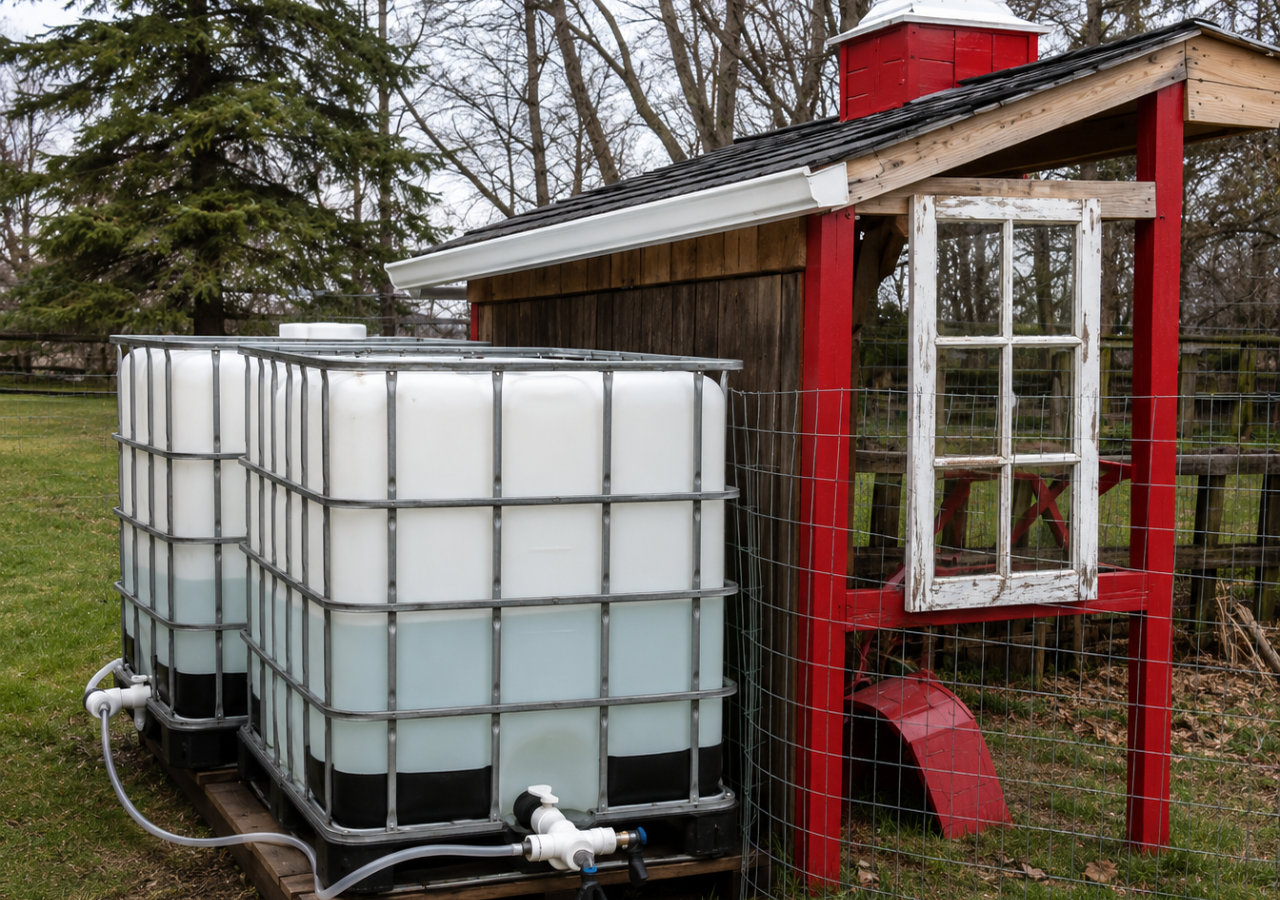
A rainwater harvesting system collects runoff from rooftops or paved surfaces, filters out debris, and either stores it for direct use or channels it underground to recharge the local water table. For most sites, it's one of the simplest ways to cut dependence on borewells and municipal supply while staying on the right side of local building codes.
We size the catchment, filtration, and storage or recharge components around your roof area and local rainfall pattern, so the system actually captures what your site can realistically collect.
Less reliance on municipal supply or tankers for non-potable and process needs.
Channel excess collected water back into the ground instead of letting it run off.
Rainfall moves through four stages before it's stored or returned to the ground.
Rooftop or surface runoff is channeled toward the harvesting system.
The initial, dirtiest flow is diverted away before it enters storage.
Leaves, silt, and debris are filtered out before water moves onward.
Water is stored in tanks for reuse or directed into recharge pits and shafts.
Storage and recharge capacity matched to your roof area and local rainfall data.
Built to meet local municipal rainwater harvesting requirements for new and existing buildings.
Filtration and storage parts selected to keep upkeep simple after installation.

System Overview
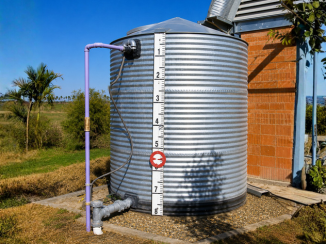
Storage Tanks

Recharge Pit & Filtration